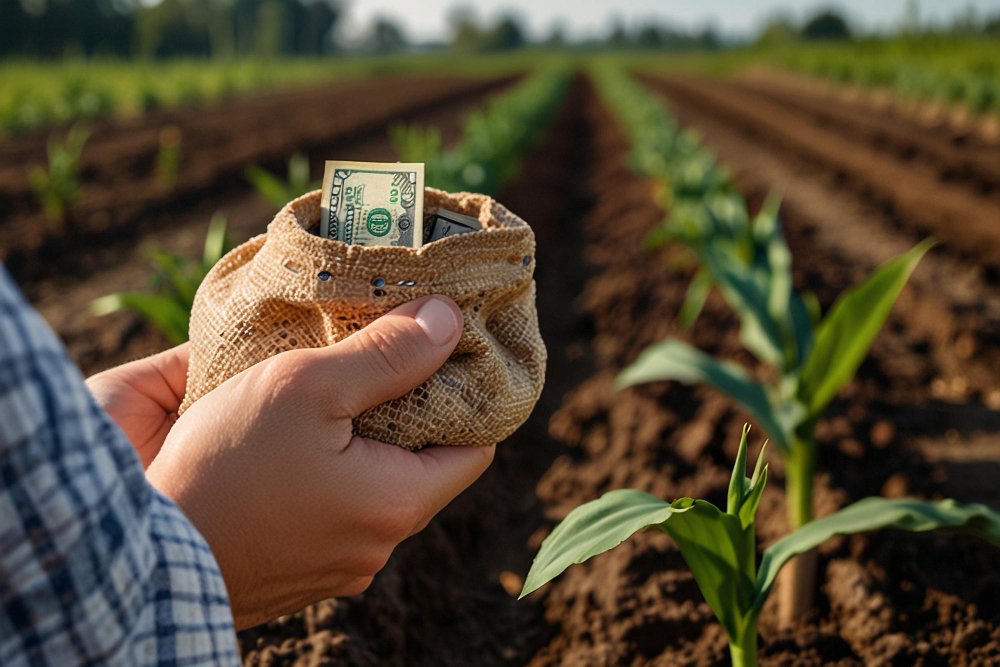
An Introduction to Agricultural Investment in Syria
Agricultural investment in Syria carries great importance thanks to the country’s geographic location and distinctive climate. Agriculture is one of the main pillars of the Syrian economy: it contributes a large share of gross domestic product, and many families depend on it for a decent living. Syria has suffered multiple crises in recent years, which have contributed to the decline of this vital sector. The post-war period, however, offers a real opportunity to revive agricultural investment and achieve sustainable development.
Syrian agriculture covers a wide range of products, including grains, vegetables, fruit and livestock. The country also has diverse water resources and fertile soil that strengthen its agricultural production potential. These resources were nonetheless affected by the conflicts the country went through, leading to lower productivity and reduced investment in the field. Investment in the agricultural sector can therefore play a pivotal role in rebuilding the Syrian economy and strengthening food security.
The beginning of the post-conflict phase is an opportunity to invest in modern technologies and sustainable farming methods. Such investments may include upgrading irrigation systems, applying sustainable agricultural practices and using advanced agricultural technologies. These developments will help raise agricultural productivity and support smallholder farmers, with a positive effect on the local economy. Agricultural investment in Syria is thus a vital step towards social and economic stability and towards unlocking the country’s agricultural potential in the future.
Post-War Stability and Investment Opportunities
After years of conflict, Syria has begun moving towards stability, creating a more favourable environment for investment, particularly in agriculture. Farming is a core part of the Syrian economy and has historically been a major source of food and income. With security restored in many regions, investors can explore the opportunities available in this vital sector.
The political and social stability achieved after the war helps build investor confidence, allowing investors to plan and develop long-term agricultural activities. Agriculture is one of the most promising options for increasing local production and achieving food security, given Syria’s fertile land and abundant water, as well as an available workforce with solid experience in the field.
Despite these opportunities, agricultural investments face certain challenges, including limited financing, damaged infrastructure and climate change that may affect crops. It is important for investors to study these obstacles carefully. While new strategies may be needed to address them, the Syrian government is also seeking to offer incentives and facilities to investors, such as tax reductions for agricultural projects, which can help attract both local and international investment.
Renewed interest in agricultural investment can improve the local economy, raise agricultural productivity and create jobs. Agriculture is therefore one of the vital fields that can help rebuild Syria and achieve sustainable development. Continued stability, however, remains an essential condition for attracting more investment in the future.
The Importance of Investing Early
Early investment in Syria’s agricultural sector is among the most promising opportunities for investors, as it offers the potential for strong financial returns driven by growing demand and the sector’s considerable potential. Under current conditions, agriculture is looking to expand and achieve sustainable development, making it an attractive destination for capital seeking success and growth.
Studies indicate that agriculture in Syria is gradually recovering, which could lead to attractive investment opportunities. Staple agricultural products such as grains, fruit and vegetables are essential goods for which there is constant demand in both local and global markets. Investing in these areas can therefore be a strategic choice for investors looking for rewarding opportunities. This dynamic opens the door to potentially multiplied returns, as every well-planned agricultural project can help improve farmers’ livelihoods and generate reasonable profits.
Moreover, investors have the opportunity to contribute to improving the country’s food security, a vital element of economic and social stability. Agricultural investment is an influential factor in boosting local production and reducing dependence on imports, which benefits the national economy as a whole. In light of these factors, it is clear that investing early in agriculture is a strategic step. If executed properly, it can produce positive results not only in terms of profitability but also for sustainable development in local communities.
Developing the Agricultural Sector and Its Impact on the Economy
Agriculture is one of the vital sectors that contributes significantly to the development of Syria’s local economy. Investing in this sector increases crop productivity, which in turn expands the local food supply. By improving farming methods and irrigation techniques, farmers can raise their yields considerably and achieve economic sustainability. Higher productivity also helps lower food costs, supporting low-income households.
Furthermore, investment in agriculture is an important driver of job creation. The agricultural sector, across its branches such as horticulture, organic crops and livestock farming, needs a skilled workforce. This creates substantial employment for local labour and helps reduce unemployment. It also encourages reverse migration, as many young people return to their villages to make use of their homeland’s agricultural potential.
Agricultural investment brings many benefits to local communities. As economic conditions improve, cooperation among farmers grows, leading to the establishment of agricultural cooperatives that promote the sharing of knowledge and resources. These cooperatives strengthen farmers’ bargaining power in commercial markets, contributing to greater economic fairness. In addition, investment in agriculture supports the environment through the adoption of sustainable farming practices, reducing negative environmental impacts.
In short, investing in agriculture is a vital key to improving the local economy and raising productivity, while creating diverse job opportunities and environmental sustainability, all of which contribute to the comprehensive development of local communities.
Syria Gateway: Supporting Agricultural Investors
Syria Gateway is one of the key players supporting and promoting investment in Syria’s agricultural sector. It actively helps streamline administrative and banking procedures in order to attract local and foreign investors to this vital sector. As agriculture is one of the most important economic fields in Syria, Syria Gateway’s efforts aim to improve the business environment and help ensure the sustainability of these investments.
Syria Gateway offers a variety of services that make investing in agriculture easier. These start with administrative and logistical support that enables investors to overcome many of the obstacles they may face, including assistance in obtaining the necessary licences and guidance through every legal step of establishing an agricultural project.
In addition, the company provides specialised technical consulting for investors, including information on the latest agricultural practices and modern technologies that can boost the efficiency and productivity of agricultural projects. Collaboration with agricultural experts gives investors access to the knowledge they need to identify requirements and the opportunities available in the market.
Syria Gateway also works to facilitate communication between investors and farmers, helping to create a collaborative environment that supports development and sustainability. Through these efforts, Syria Gateway acts as a major catalyst for investment in the agricultural sector, helping to achieve the country’s economic and social goals. Anyone considering investment in agriculture should take advantage of the initiatives Syria Gateway offers to improve their projects’ chances of success in this sector.
Successful Projects in Syrian Agriculture
Syria’s agricultural sector has seen many successful projects that reflect the ability of farmers and investors to innovate and adapt to local challenges. One of them is an organic fruit and vegetable farming project in Latakia Governorate. The project relied on sustainable farming methods, which improved crop quality and increased local demand. The local market was one of the main drivers of its success, given the community’s desire for healthy, natural products.
Another successful project is olive cultivation in Aleppo Governorate, based on growing high-quality olive varieties. The use of modern irrigation techniques and careful farm management increased production efficiency. Government support in providing water and facilities to farmers also had a clearly positive impact on the project’s success, helping olive cultivation improve smoothly.
There is also the experience of growing field crops such as wheat and barley in the eastern regions of Syria. Farmers used early planting techniques and improved seed, which led to higher productivity. Suitable climatic conditions and good agricultural practices delivered positive results and helped meet market needs for food stability.
These successes can be replicated by focusing on sustainable farming techniques, strengthening cooperation between farmers and investors, and providing appropriate government support. Marketing and farm infrastructure must also be improved to ensure continued growth and prosperity in the agricultural sector, which plays a central role in the Syrian economy.
Future Trends in Agricultural Investment in Syria
Agricultural investment in Syria is a promising field offering many important opportunities, especially amid the fundamental changes the sector is undergoing. Future trends in agricultural investment include technological innovation, the application of modern farming methods and the development of infrastructure to achieve sustainability. Among these innovations is smart farming, which uses data to improve productivity and reduce waste.
Technologies such as vertical farming and hydroponics are among the most notable future trends Syria could see, as they make it possible to grow crops in small spaces with lower water consumption. These new methods add significant value to investment by effectively saving water and energy resources, making sustainable food production achievable.
Furthermore, developing agricultural supply chains is another important future trend. Investing in improving these chains can help reduce losses and increase distribution efficiency. Investors need to focus on cooperation with local and international institutions to strengthen these chains and facilitate access to markets.
Climate change poses challenges for the future of agriculture, but at the same time these challenges create new opportunities for investors. Investing in climate-resilient farming technologies, such as genetically modified crops, could bring significant long-term benefits. Keeping pace with these trends helps investors successfully expand their investments and raise productivity, benefiting the national economy and supporting a sustainable future for Syria’s agricultural sector.
Challenges Facing Agricultural Investors
Agricultural investors in Syria face a number of challenges that affect their ability to succeed in this vital sector. One of the most prominent is inadequate infrastructure: many rural areas lack good roads and transport, making it difficult to move agricultural products to markets. Improving infrastructure requires major investment, which may be hard to achieve under current economic conditions.
Natural resources such as water and soil are also fundamental factors affecting agricultural production. Syria faces problems with groundwater supply and irrigation, which lowers agricultural productivity. Investors should look for modern technologies to improve water management, such as modern irrigation systems and sustainable water use. Awareness of the importance of conserving natural resources must also be raised to ensure the sector’s sustainability.
Agricultural companies also face legal and administrative obstacles, including complex procedures for obtaining the necessary licences and complying with local regulations. A successful agricultural project requires careful attention to the legal framework and cooperation with the government to simplify procedures. Investors are advised to work with legal advisers to ensure regulatory compliance and avoid potential problems.
To overcome these challenges, agricultural investors in Syria can consider forming partnerships with governmental and non-governmental institutions. By strengthening teamwork and sharing knowledge and expertise, investment conditions can be improved and a more sustainable environment for agricultural growth can be created.
Conclusion and Call to Action
The importance of investing in Syria’s agricultural sector is becoming ever clearer, particularly in light of current economic and social challenges. The sector is the backbone of the national economy, providing jobs for many families and helping secure food security. Local and foreign investors should therefore take these opportunities into account and step up their efforts in Syrian agricultural investment, which stands out for its great diversity and rich natural resources.
Deploying resources in this sector not only helps improve economic conditions but also strengthens the country’s productive capacity and competitiveness. Investment in agriculture can also lead to the development of new technologies and more efficient methods, raising productivity and crop quality. Agriculture can thus become a major engine of future growth, which requires innovation and partnership with local and international institutions.
Investors should know that Syria Gateway will be a trusted partner in this field. We work hard to facilitate all necessary procedures and to provide the right platforms to make agricultural investment easier. We also strive to provide guidance and support to help every project reach the highest possible levels of success and growth. We therefore invite everyone considering investment to look at the promising opportunities offered by Syria’s agricultural sector and to engage with the local community in support of it.
Taking the initiative to invest is an essential step, so we urge everyone to take the necessary steps to strengthen agricultural investment in our country, so that together we can build a better future. Remember: the right investment can make the difference.
Ready to explore agricultural investment opportunities in Syria? Contact Syria Gateway today for a free consultation at +90 553 406 0015 or info@syriangateway.com.